
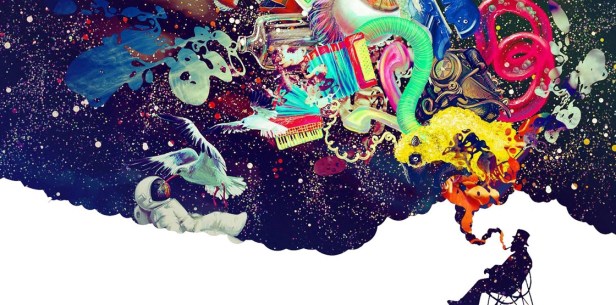
 Here’s a challenge for you today: after you’re done reading this, or the next time you’re waiting in line, or if you’re bored in class, or if you’re about to go to bed, get out a piece of paper and doodle. Stimulate your creative side and draw whatever comes to mind. Now I realize that are “artists,” but there’s no judgment here and you don’t even have to show anybody if you don’t want to. Some of us have never drawn a picture before, but I would encourage all of you to try to doodle a little something—even if it’s just a line or a stick figure or a heart. It’s still art.
What is art?
This is such a subjective question that has dimensions of different answers. Art means all things to all people.
Perhaps your immediate response to this question is drawing, painting, or sculpture works.
Perhaps you think of music. The songs that you jam out to in the car, the last concert you went to, that song that’s currently stuck in your head.
Maybe you think of writing: art is your favorite book, poem, or this blog post (ha).
Maybe you think of the performing arts: theatre productions, ballet, movies, and more.
If you’re anything like me, you see the whole world as art. I am art. You are art. The trees outside are art. The desk you’re sitting at is art. Your shoes are art. Your coffee cup is art. Your coffee is art? (I don’t know what you guys know about latte art….)
Or maybe when you think of art, you think of all the art classes you had to take in grade school, and those you’ve taken or are awaiting you. And whether you loved them or hated them, those classes made you a better person.
Art is a necessary component in any person’s education. We need to take a stand for art and emphasize it more so in our schools. In doing this, we are opening the doors to creativity, freedom, success in the lives of many. There are many redeeming qualities about art in education and why we should encourage them.
The Visual and Performing Arts were added to the list of required subjects in the California Education Code in September 2000. This means that all California public schools must provide arts instruction to all of their students. Since 2001, the Visual and Performing Arts have been core subjects in our federal elementary and secondary education legislation, No Child Left Behind.
While the arts are still a required part of one’s education, they are suffering. Take a look at some of these statistics:
- In 2013, California’s new state budget reduces arts funding by 7.6%
- A statewide study in 2006 by SRI International found that 89% of K-12 schools failed to offer a standards-based course of study in all disciplines. Sixty-one percent of schools didn’t even have a full-time arts specialist.
This is largely because of budget cuts and the NCLB act, which pushes schools to focus entirely on math and reading to pass assessment tests and receive federal funding. Educators feel trapped by a system that focuses only on test scores, at the expense of the whole child and the whole curriculum. No Child Left Behind, with its pressure to raise test scores, has reduced classroom time devoted to the arts. Arts education has been slipping for more than three decades, the result of tight budgets, an ever-growing list of state mandates that have crammed the classroom curriculum, and a public sense that the arts are lovely but not essential.
They’ve got it all wrong, though. Art is essential, and years of research show that it is closely linked to almost everything that we as a nation say we want for our children and demand from our schools: academic achievement, social and emotional development, equitable opportunity. Tom Horne, Arizona’s state superintendent of public instruction, states: “If they’re worried about their test scores and want a way to get them higher, they need to give kids more arts, not less.”
In addition to educational benefits, art has a handful of other benefits.
- Creativity also allows for an open mind, which not only leads to unique ways of accomplishing academic success.


- Art allows for freedom of expression.
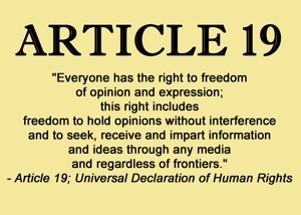
- Art encourages individualism and thinking for oneself.
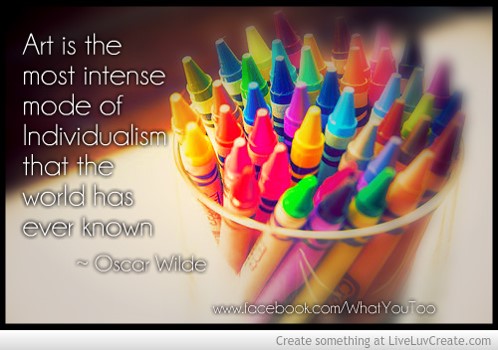
- Art requires dedication, determination, and patience. These are qualities that will spill over to all areas of life. The mental training you utilized to complete your goals in art is universal; it can be used for any subject, any goal and any dream.
- Art makes for a well-rounded education, complementary to math and sciences. As it turns out, art nurtures the development and integration of certain brain structures, particularly those on the right side of the brain: creativity, emotional reciprocity, and more.
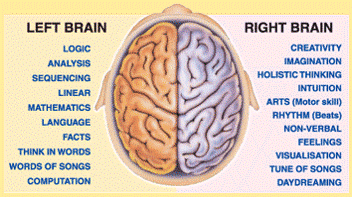
- Art is therapeutic. Art therapy is a growing subset of counseling that allows individuals to express themselves and release their stress creatively. This research evidences that art therapy is especially beneficial in rebalancing brain functions that have been disturbed by trauma, attachment disruption, and other losses of emotional connection. It is also an effective treatment for stress and anxiety.
- Art allows for imagination, limitlessness, and reminds people that there are a variety of possibilities.
- Art is a universal language. It allows for communication visually when there is no way of saying it verbally.
- Art is a natural inclination. Evidence suggests that the desire to engage in some form of art or another is an intrinsic component in all people, regardless of external factors such as age, race, gender, or culture.
The main arguments against art include:
- The biggest reason for erasing an art program in any school would have to be money. Art requires the space to work, a teacher with credentials, the textbooks and materials, and more.
- There are many affordable alternative materials that can be used for art, including recycled items in your own home!. It is important to weigh the pros and cons: could the funding for art be put into a better cause? Art has changed nations, inspired billions. And the question here is: is it worth taking an art program away from willing, ready minds, when art could make all the difference in their future?
- Art is highly subjective. Art for one person may not be considered art for another person. Art is controversial on many, many layers, and differs in meaning for many, many people.
- Everything is subjective. You are experiencing your own perception of reality, and process things the way you do.
- A career in art is not sustainable. If someone were to make a career out of art, their income would not compare to those within the medical field.
- People going into the art field already know this, with the exception of a few radical dreamers, who believe they are going to make it as world renowned artists or musicians or actors. And all power to these people. We are constantly discouraged by our parents, teachers, and peers from pursuing arts because of the low wage salaries. In my opinion, no career should be about the money. If you’re doing something for the money, do something else. Do something you love.
The good news is this: comprehensive, innovative arts initiatives are taking root in a growing number of school districts. Many of these models are based on new findings in brain research and cognitive development, and they embrace a variety of approaches: using the arts as a learning tool (for example, musical notes to teach fractions); incorporating arts into other core classes (writing and performing a play about, say, slavery); creating a school environment rich in arts and culture (Mozart in the hallways every day) and hands-on arts instruction. Although most of these initiatives are in the early stages, some are beginning to rack up impressive results. This trend may send a message to schools focused maniacally, and perhaps counterproductively, on reading and math.
After you complete the doodling exercise… Did your mind surprise you? Either way, you made something lasting for the day. Recent research in neuroscience, psychology and design shows that doodling can help people stay focused, grasp new concepts and retain information. A blank page also can serve as an extended playing field for the brain, allowing people to revise and improve on creative thoughts and ideas. So, if anything, I hope this doodling exercise helped you understand for yourself the importance of art. I would encourage all of you to keep the arts alive in your own life. Take a break from all of the math and logic and let your imagination roam free. Never be afraid to make something beautiful.
 Cultivate a Kindergarden